Looking for a build to follow? Compare original DIY tutorials, or open the Open Duck Mini v2 build route.
DOCUMENT THE WORKBENCHOfficial photo
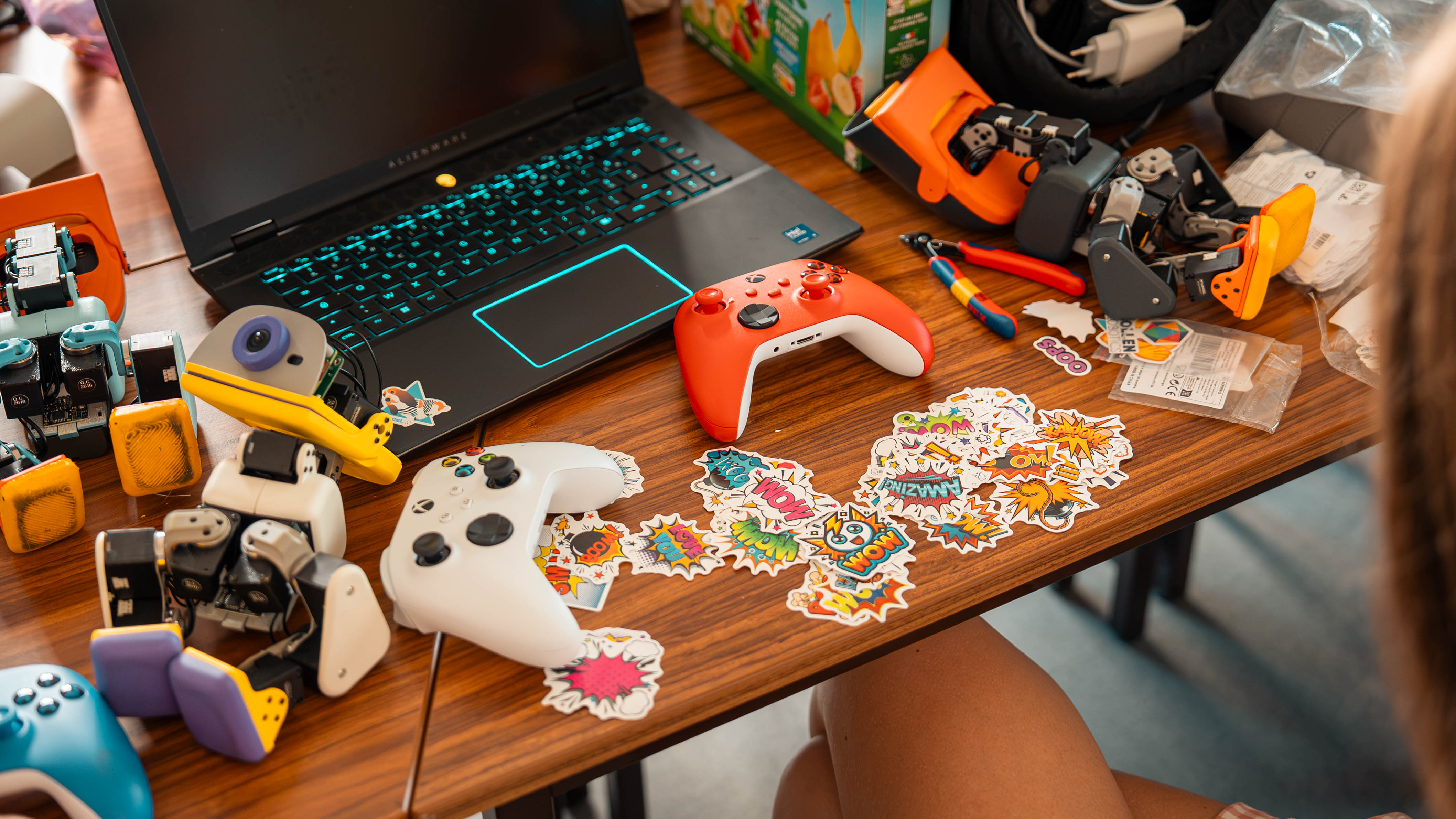
An editorial template for your own build record. No completed hardware build is claimed here.
Give each stage a clear record.
Keep the design revision, what you changed, and what you observed together. Readers need the unsuccessful checks as much as the final result.
| STAGE | RECORD |
|---|---|
| Preparation | Source design, parts list and unresolved questions |
| Assembly | Original photos, component references and changes |
| First checks | Conditions, observations and issues |
| Result | What worked, what is unfinished, and the next step |
One project, a series of useful notes.
Connect the log to your project page. Give each substantial procedure its own guide, and keep the discussion attached to the original note.
Copy a record for one build session.
Keep this small enough to fill in immediately after a session. An observation such as “the connector did not fit” is useful when the connector reference and design revision are included.
Build session template
Session date and goal:
Design URL and full revision:
Parts used (exact references):
What changed since the previous session:
Photos and what each one shows:
Test conditions and procedure:
Expected result:
Observed result or measurement (with units):
Failure / unresolved question:
What has not been tested:
Next single action:
Connect later sessions with a link to the previous one. Mark an inferred explanation as a hypothesis until a repeatable check supports it.
CONTINUE THE CONVERSATION
What would you like to understand next?
Keep the source, your environment and your observations together.